NGL meaning in text is something many people search for after seeing this short slang in chats, comments, or social media posts. If you’ve ever read a message starting with “NGL…” you might wonder what it really means and why people use it so often.
In today’s digital communication, short forms and slang make conversations faster and more expressive. NGL is one of those terms that adds honesty to a sentence, but sometimes it can also sound blunt if not used carefully.
Understanding how and when to use NGL helps you communicate clearly without sounding rude or awkward.
⚡ Quick Answer:
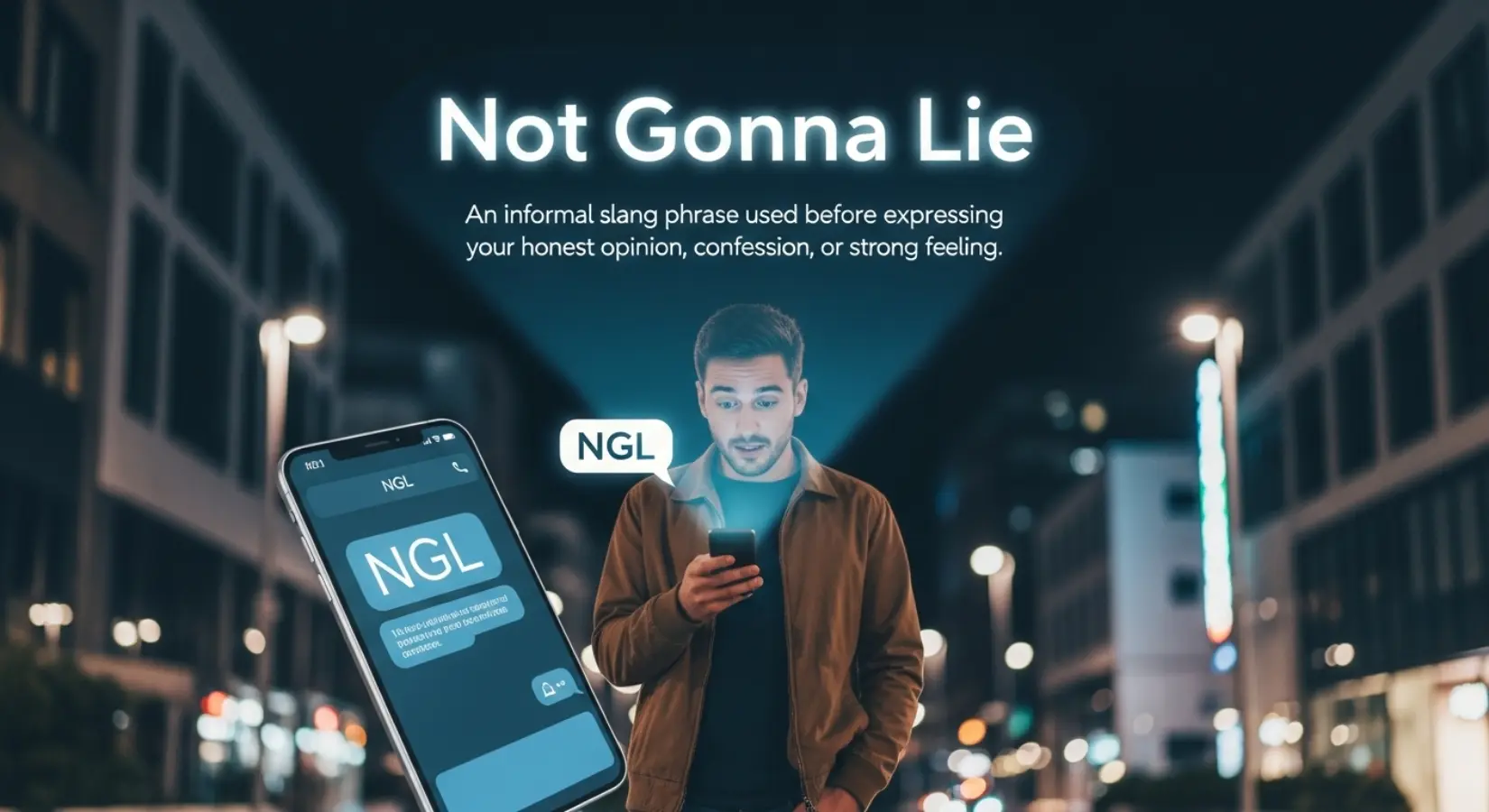
NGL stands for “Not Gonna Lie.” It’s used to express honest thoughts, opinions, or feelings in a casual way.
What Does NGL Mean in Text?
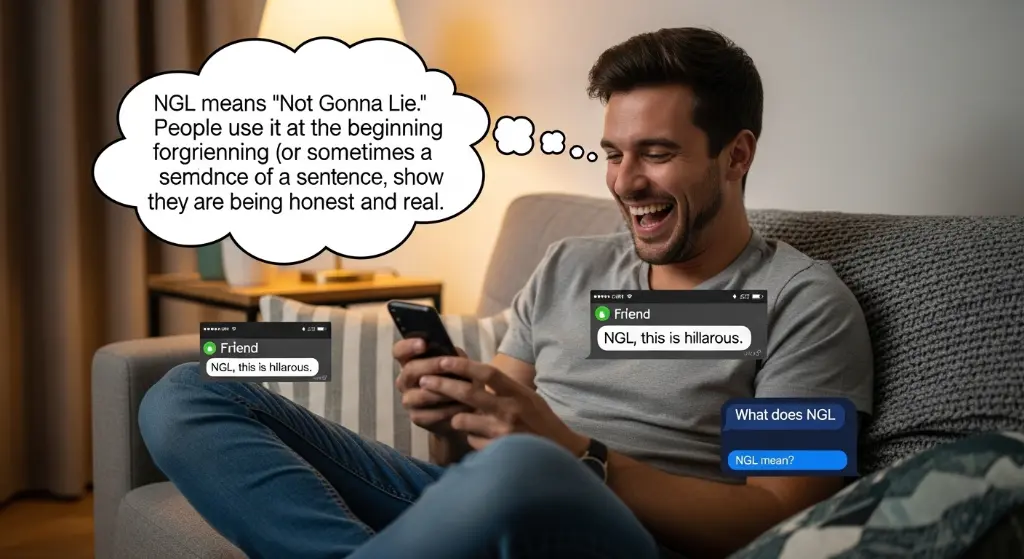
NGL means “Not Gonna Lie.” People use it at the beginning (or sometimes middle) of a sentence to show they are being honest or real.
It often introduces:
- Personal opinions
- Honest reactions
- Confessions
👉 Example:
NGL, that was the best food I’ve had all week.
NGL Full Form / Definition
- Full Form: Not Gonna Lie
- Category: Internet slang
- Tone: Informal and conversational
It’s similar to saying:
- “Honestly…”
- “To be honest…”
But NGL feels more modern and casual.
Meaning in Different Contexts
1. Casual Conversations
Used to share everyday thoughts:
- NGL, I’m feeling lazy today.
2. Compliments
Adds sincerity:
- NGL, you did an amazing job.
3. Criticism
Softens negative opinions (but still direct):
- NGL, that didn’t go as planned.
4. Confessions
Admitting something honestly:
- NGL, I forgot to reply.
Is NGL Rude, Offensive, or Neutral?
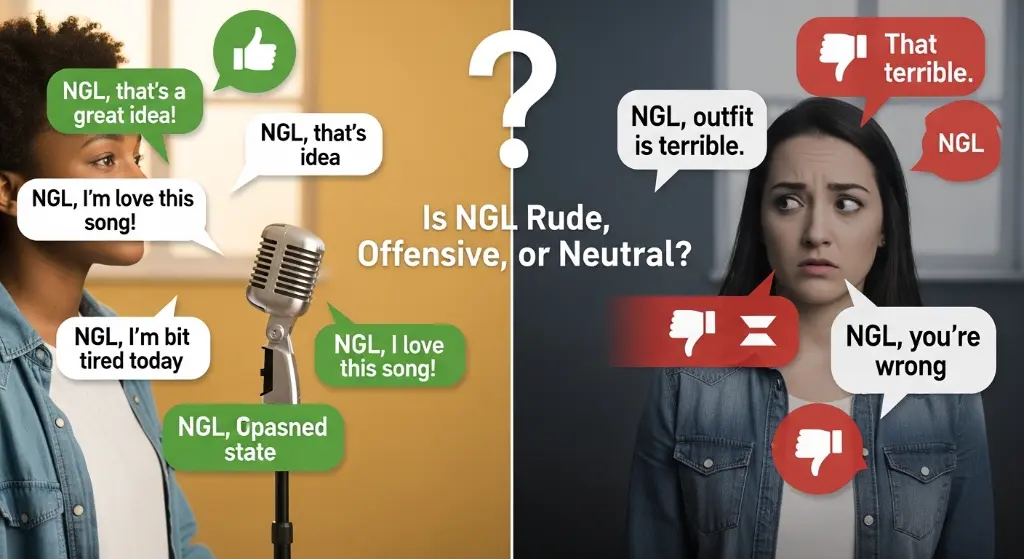
NGL is generally neutral, but the tone depends on what follows.
- ✅ Friendly when used positively
- ⚠️ Slightly blunt when giving opinions
- ❌ Can feel rude if paired with harsh words
👉 Example:
- NGL, this is great! → Positive
- NGL, this is terrible → Harsh
Where Is NGL Commonly Used?
You’ll often see NGL on:
- Text messages
- Social media platforms
- Online chats
- Gaming conversations
It’s especially popular among younger users and online communities.
Real-Life Conversation Examples
Friendly
- NGL, I really enjoyed hanging out with you.
Casual
- NGL, I’m super tired today.
Argumentative
- NGL, I don’t agree with you.
Flirty
- NGL, you look amazing today 😉

Emotional and Psychological Meaning
NGL signals honesty and openness. When someone uses it, they are:
- Sharing genuine feelings
- Being direct
- Trying to sound real and authentic
It can also act as a “soft warning” that a strong opinion is coming.
Origin and Background of NGL
NGL started as part of early internet and texting culture. Over time, it became popular through:
- Social media platforms
- Meme culture
- Messaging apps
Its simplicity made it easy to adopt worldwide.
Comparison with Similar Slang
| Slang | Full Form | Meaning | Tone |
|---|---|---|---|
| NGL | Not Gonna Lie | Honest opinion | Casual |
| TBH | To Be Honest | Honest statement | Slightly formal |
| IMO | In My Opinion | Personal view | Neutral |
| FR | For Real | Agreement/emphasis | Casual |
| IDC | I Don’t Care | No concern | Can be rude |
When to Use and Avoid NGL
✅ Use NGL When:
- Talking with friends
- Sharing honest opinions
- Giving genuine compliments
❌ Avoid NGL When:
- Writing professional emails
- Talking to someone sensitive
- Giving strong criticism
Common Mistakes When Using NGL
Even though NGL is easy to use, people often make mistakes that affect tone and clarity.
1. Using It in Formal Situations
NGL is informal and should not be used in professional or academic writing.
❌ NGL, this report is weak
✅ I think this report could be improved
2. Sounding Too Harsh
It can make criticism sound stronger than intended.
❌ NGL, your idea is bad
✅ NGL, I think your idea needs some changes
3. Overusing It
Using NGL too often makes conversations repetitive.
❌ NGL, I’m tired. NGL, I’m bored.
✅ Use it only when needed
4. Lack of Context
Using it without explanation confuses the reader.
❌ NGL…
✅ NGL, I didn’t enjoy the event because it was crowded
5. Using It in Sensitive Situations
It can sound insensitive in emotional discussions.
❌ NGL, that’s not important
✅ I understand your concern
6. Assuming Everyone Understands It
Not everyone knows internet slang.
👉 Tip: Use “Honestly” in formal or mixed audiences.
✔️ Quick Tip:
Use NGL carefully—it should make your message clearer, not harsher.
Polite Alternatives
If you want a softer tone, use:
- “Honestly…”
- “To be honest…”
- “I think…”
- “In my opinion…”
Why Do People Use NGL?
People use NGL because:
- It’s quick and easy
- It sounds natural
- It adds honesty
- It fits modern texting style
Impact of Using Slang in Communication
Slang like NGL:
- Makes chats more relatable
- Builds connection
- Can sometimes cause misunderstandings
Context always matters.
Is It Safe for Social Media?
Yes, NGL is safe for social media use.
However:
- Avoid harsh statements
- Be mindful of tone
- Don’t use it in professional posts
Examples in Different Contexts
Friendly
- NGL, you’re a great friend.
Casual
- NGL, I just woke up.
Argumentative
- NGL, that wasn’t fair.
Different Contexts
- NGL, this game is addictive.
- NGL, I prefer the old version.
Common Misunderstandings
- Thinking NGL is always rude
- Using it in formal writing
- Misreading tone in messages
👉 It’s all about context.
Variations and Types
- TBH (To Be Honest)
- FR (For Real)
- Honestly (formal alternative)
How to Respond When Someone Uses NGL
- Positive: Thanks, I appreciate it!
- Negative: I understand your point
- Neutral: Yeah, I agree
Regional and Cultural Usage
NGL is widely used in:
- English-speaking countries
- Global online communities
Even non-native speakers use it due to social media trends.
FAQS:
1. What does NGL mean in text?
It means “Not Gonna Lie,” used to express honesty.
2. Is NGL rude?
Not usually, but it depends on tone.
3. Can I use NGL in formal writing?
No, it’s best for informal communication.
4. What is NGL full form?
Not Gonna Lie.
5. Is NGL popular on social media?
Yes, it’s widely used.
Conclusion
Understanding NGL meaning in text helps you communicate more naturally in today’s digital world. It simply means “Not Gonna Lie” and is used to express honest thoughts in a casual and relatable way.
While it’s a useful slang term, the key is using it in the right context. Tone, audience, and situation all matter. Use it with friends and informal chats, but avoid it in professional settings.
In the end, NGL adds honesty to communication—but using it wisely ensures your message is clear, respectful, and effective.

Joy Sparks is a creative slang and internet culture writer who explains viral phrases, texting abbreviations, and social media expressions in a simple way. She writes easy-to-read guides that help readers understand modern online language and trending internet terms. Her content is fun, beginner-friendly, and focused on real-life digital communication. At Meanifiy, Joy Sparks shares engaging articles that make slang meanings easy for everyone.