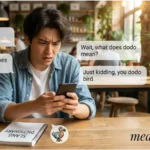
Dating Slang Meanings: Modern Dating Terms You Should Know
Dating has its own language now.
You might see someone say, “He ghosted me,” “We’re in a situationship,” or “She soft-launched her boyfriend.” If you are not familiar with modern dating slang, these phrases can sound confusing.
That is why people search for dating slang meanings. These terms appear in text messages, dating apps, TikTok videos, Instagram posts, Snapchat chats, and everyday conversations about relationships.
Dating slang also changes quickly. Some terms describe a person’s behavior, while others describe the stage or type of relationship.
Quick Answer
Dating slang meanings are the informal words and phrases people use to describe modern dating, relationships, attraction, flirting, and dating behavior. Common examples include ghosting, breadcrumbing, situationship, talking stage, cuffing, and soft launch.
Some terms have very specific meanings, while others can vary depending on the conversation.
Dating Slang by Relationship Stage
Dating slang can also tell you where a relationship stands.
1. Talking Stage
The talking stage usually describes the period when two people are getting to know each other romantically.
You may text regularly, flirt, go on dates, and explore whether there is potential for a relationship.
Example:
“We’re talking every day, but we haven’t made it official.”
2. Situationship
A situationship usually involves romantic or intimate behavior without a clearly defined relationship.
The two people may act like a couple but avoid labels or commitment.
Example:
“We spend every weekend together, but he says we’re not dating.”
3. Official Relationship
Once two people agree that they are partners, they may describe themselves as official.
You might also hear:
“We made it official.”
This usually means both people recognize the relationship rather than keeping it undefined.
Dating Slang About Bad Dating Behavior
Some terms describe confusing or hurtful behavior.
Ghosting
Ghosting happens when someone suddenly stops communicating without giving an explanation.
It can happen after flirting, texting, dating, or even after several dates.
Example:
“Everything seemed fine, then she stopped answering all my messages.”
Breadcrumbing
Breadcrumbing means giving someone occasional attention without showing meaningful interest or commitment.
For example, someone might send “Hey 👀” every few weeks but never agree to meet.
Benching
Benching means keeping someone as a possible romantic option while focusing on other people.
The person may receive enough attention to stay interested but not enough to build a real relationship.
Orbiting
Orbiting happens when someone stops direct communication but continues interacting with your online presence.
They might watch your stories, like your posts, or follow your updates without actually speaking to you.
Dating Slang Used on Social Media
Modern dating language often spreads through social media.
Soft Launch
A soft launch is a subtle online reveal of a relationship.
Instead of posting a clear couple photo, someone might show:
- Two coffee cups
- A partner’s hand
- A dinner date
- A blurred photo
- A partial view of someone’s face
Example:
“She soft-launched her new boyfriend with a photo of his hand.”
Hard Launch
A hard launch is much more direct.
Someone might post a clear photo with their partner and openly identify them.
Example:
“They finally hard-launched their relationship on Instagram.”
Thirst Trap
A thirst trap is a social media post intended to attract attention because of someone’s appearance or sex appeal.
The term can be used jokingly between friends or romantically in dating conversations.
Dating Slang About Attraction
Rizz
Rizz means charm or an ability to attract someone, especially through conversation or confidence.
Example:
“He got her number in five minutes. Bro has rizz.”
Ick
The ick is a sudden feeling of dislike or loss of attraction.
It can come from something small, such as a habit, mannerism, or behavior.
Example:
“He was disrespectful to the waiter. Instant ick.”
An ick is personal. One person’s ick may not bother someone else at all.
Red Flag
A red flag is a warning sign.
In dating, it can point to behavior that suggests a person may be dishonest, disrespectful, controlling, or otherwise incompatible with you.
Example:
“He constantly insults his exes. That’s a red flag.”
Green Flag
A green flag signals a healthy or positive trait.
Examples include:
- Respecting boundaries
- Communicating clearly
- Keeping promises
- Taking responsibility for mistakes
- Listening to your concerns
Example:
“She communicates openly when something bothers her. Huge green flag.”
Real Dating Conversation Examples
Example 1 — Talking stage
Maya: “Are you two dating?”
Sara: “Not officially. We’re still in the talking stage.”
Example 2 — Ghosting
Alex: “How did the date go?”
Sam: “Great, actually. Then she ghosted me the next day.”
Example 3 — Situationship
Nina: “So, what’s your relationship status?”
Lena: “Honestly? It’s a situationship. We haven’t defined anything.”
Example 4 — Breadcrumbing
Chris: “He keeps sending me flirty messages.”
Dan: “Does he ever make actual plans?”
Chris: “Nope.”
Dan: “Sounds like breadcrumbing.”
Example 5 — Soft launch
Ella: “Is that your boyfriend in your story?”
Zoe: “Maybe. I’m soft-launching for now 😂.”
Dating Slang From a Girl or Guy: Does It Change the Meaning?
Usually, the meaning of the slang does not change based on who says it.
For example, if a woman says, “He’s giving me the ick,” she means she has suddenly lost attraction or feels turned off.
If a man says, “She’s breadcrumbing me,” he is describing the same type of behavior: receiving occasional attention without meaningful progress.
The surrounding conversation matters more than the speaker’s gender.
Common Misunderstandings
“Ghosting” does not always mean blocking
Someone can ghost without blocking you. They may simply stop responding.
“Situationship” does not automatically mean a bad relationship
It describes an undefined romantic connection. Whether that arrangement is good or bad depends on the people involved and what they want.
“Red flag” is not the same as “dealbreaker”
A red flag can be a warning sign. A dealbreaker is something you personally decide you will not accept.
“Soft launch” does not always mean hiding a relationship
Some people use it simply because they prefer privacy or want to introduce a relationship gradually.
Dating Slang vs. Formal Relationship Language
Dating slang is useful because it can describe complicated social situations in just a few words.
Compare:
Formal:
“We have romantic feelings for each other, but we have not agreed to an exclusive relationship.”
Dating slang:
“We’re in a situationship.”
The slang is shorter and more casual, but it can also be less precise. If you need to understand someone’s actual expectations, a direct conversation is better than relying on a label.
When Should You Avoid Dating Slang?
Dating slang works well in casual conversations, social media, and messages with friends.
It may not fit:
- A serious conversation about relationship boundaries
- Counseling or therapy
- Workplace communication
- Formal writing
- A conversation where both people may interpret the term differently
When clarity matters, use plain language.
Instead of saying:
“Are we in a situationship?”
you could ask:
“How do you see our relationship, and what are you looking for?”
That question leaves less room for confusion.
Key Takeaways
- Dating slang meanings describe modern dating, attraction, relationships, and dating behavior.
- Talking stage means two people are getting to know each other romantically.
- Situationship describes an undefined romantic connection.
- Ghosting, breadcrumbing, and benching describe different types of dating behavior.
- Soft launch and hard launch describe different ways of revealing a relationship online.
- Dating slang is useful for casual communication, but direct language works better when relationship expectations matter.
FAQs:
What is the most common dating slang?
Terms such as ghosting, talking stage, situationship, red flag, green flag, and breadcrumbing are widely recognized in modern dating conversations.
What does “talking stage” mean in dating?
The talking stage is the period when two people communicate romantically and explore whether they want to date or become a couple.
What does “situationship” mean?
A situationship is a romantic or intimate connection that does not have a clearly defined relationship status or commitment.
What does “soft launch” mean in dating?
A soft launch means subtly revealing a romantic partner or relationship online without making a full public announcement.
What does “hard launch” mean?
A hard launch is a clear public reveal of a romantic relationship, often through a direct couple photo or announcement on social media.
Is ghosting the same as rejecting someone?
Not exactly. Rejection usually involves communicating that you are not interested. Ghosting means ending or abandoning communication without an explanation.
What does “breadcrumbing” mean in dating?
Breadcrumbing means giving someone occasional attention or affection without making meaningful progress toward a relationship.
What is a red flag in dating slang?
A red flag is a behavior or trait that may warn you about a person’s compatibility, honesty, respect, or relationship habits.
Conclusion
Dating slang gives people quick ways to describe the complicated parts of modern relationships.
Terms like ghosting, breadcrumbing, situationship, talking stage, rizz, ick, soft launch, and red flag can make online conversations easier to understand. But slang does not always tell you what someone truly wants.
When a relationship matters, clear communication beats guessing from labels. Learn the slang, but pay attention to the person’s actual words, actions, boundaries, and expectations.

Tayyab Hassan is a Master’s graduate, content writer, and contributor at Meanifiy.com. He specializes in creating informative, reader-friendly content that simplifies language, meanings, and educational topics. With a commitment to accuracy and clarity, he helps readers understand complex concepts through engaging and accessible articles.