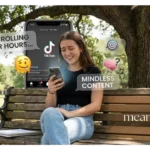
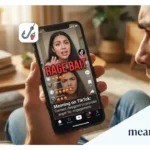
Have you ever seen your friends posting photos from a party you missed and thought, “I should have gone”? That feeling has a name: FOMO.
If you searched for FOMO meaning in text, you will usually find it in messages, social media posts, comments, and online conversations. People use FOMO when they feel worried that they are missing something fun, exciting, useful, or socially important.
Quick Answer:
FOMO Meaning in Text “Fear of Missing Out.” In texting and social media, it describes the uneasy feeling that other people are enjoying something, getting an opportunity, or experiencing something without you. It is not usually rude, and it can be used seriously or jokingly.
What Does FOMO Meaning in Text?
FOMO is an acronym for Fear of Missing Out.
When someone says they have FOMO, they mean they feel left out or worry that they are missing an experience that others are enjoying.
For example:
“Everyone is going to the concert tonight. I have major FOMO.”
The person may not actually regret staying home. They are simply expressing that seeing everyone else attend makes them wish they could be there too.
FOMO can involve:
- Missing a party or event
- Being left out of a group activity
- Missing a popular trend
- Passing up a good deal
- Not joining friends on a trip
- Missing an opportunity
- Feeling behind while others seem to be succeeding
The term is especially common online because social media constantly shows people what others are doing.

FOMO Full Form
FOMO = Fear of Missing Out
It is an informal acronym, so you will usually see it in casual conversations rather than formal business writing.
The opposite idea is sometimes called JOMO, meaning “Joy of Missing Out.” JOMO describes feeling happy or relaxed about skipping something.
How People Use FOMO in Texting
FOMO can describe a real emotion, but people also use it casually or humorously.
1. Missing a social event
Alex: Why didn’t you come last night?
Sam: I had to work 😭 Seeing your pictures gave me FOMO.
Here, Sam wishes they could have joined the group.
2. Seeing something popular online
“Everyone keeps talking about this show. My FOMO is making me start it tonight.”
The speaker feels tempted to watch because so many people are discussing it.
3. Shopping
“20% off ends tonight. FOMO is telling me to buy it 😂”
The person worries they will regret missing the sale.
4. Friends making plans
“Are you guys going without me?”
“Yeah, just dinner.”
“Okay, but now I have FOMO lol.”
The message is usually playful rather than genuinely upset.
Where Is FOMO Used?
You can see FOMO across many types of digital communication.
Text Messages
Friends often use it when talking about parties, trips, concerts, restaurants, or weekend plans.
Instagram and Snapchat
Photos and stories can easily create FOMO because users see friends enjoying events they did not attend.
TikTok
People may use FOMO when discussing viral trends, challenges, products, events, or popular videos.
Reddit and Discord
FOMO can describe missing an online discussion, gaming event, community activity, or limited-time opportunity.
Gaming
Gamers may experience FOMO when they miss a limited-time event, special item, battle pass reward, or community event.
FOMO in Different Contexts
FOMO From a Friend
If a friend says:
“You guys went without me? FOMO 😭”
They are often jokingly saying they wish they had been invited or could have joined.
The exact tone depends on the relationship. A laughing emoji may make the message clearly playful, while a serious message could indicate genuine disappointment.
FOMO on Social Media
Someone might write:
“Seeing everyone’s vacation posts is giving me FOMO.”
This means the person’s social feed makes them wish they were also traveling.
FOMO at Work
FOMO can even appear in workplace conversations:
“I don’t want to skip the conference and then have FOMO when everyone talks about it.”
Here, the person worries about missing useful information or networking opportunities.
For formal communication, it is often better to say “I don’t want to miss the opportunity” instead of using FOMO.
FOMO vs. JOMO
1 FOMO and JOMO describe opposite attitudes.
| Term | Meaning | Example |
| FOMO | Fear of Missing Out | “Everyone is going, and I have FOMO.” |
| JOMO | Joy of Missing Out | “I’m staying home tonight. Total JOMO.” |
FOMO focuses on the fear of being left out. JOMO focuses on enjoying your decision not to participate.
FOMO vs. Feeling Left Out
These ideas are related, but they are not exactly the same.
Feeling left out usually means you believe others excluded you from something.
FOMO is broader. You can have FOMO even when nobody excludes you.
For example, you might see strangers traveling to a beautiful place and think:
“I need to go there someday. Major FOMO.”
Nobody left you out. You simply feel like you are missing an experience.
Is FOMO Rude or Offensive?
No. FOMO is generally neutral and informal.
It is common in casual texting and social media. However, it may not fit formal writing.
Instead of writing:
“I’m getting FOMO about the meeting.”
A professional version could be:
“I don’t want to miss the discussion.”
Also, saying “FOMO” does not automatically mean someone is seriously upset. People often use it as a lighthearted reaction.
Common Misunderstandings About FOMO
FOMO does not always mean jealousy
Someone can have FOMO without being jealous of another person. They may simply wish they could participate.
FOMO does not mean actual exclusion
You can experience FOMO even when nobody invited you in the first place.
FOMO is not always serious
A person might say:
“You ordered pizza without me. FOMO 😂”
They may simply be joking.
FOMO is not limited to social events
It can relate to entertainment, shopping, travel, gaming, work, trends, and online communities.
When Should You Avoid Using FOMO?
Avoid FOMO when your audience may not understand internet slang or when the situation requires formal language.
For example, in a formal email, use:
- “I don’t want to miss the opportunity.”
- “I’m concerned about missing the event.”
- “I would like to stay informed.”
- “I don’t want to miss any important updates.”
With close friends, however, “I have FOMO” sounds completely natural.
Key Takeaways
- FOMO Meaning in Text “Fear of Missing Out.”
- It describes worry about missing an experience, opportunity, or activity.
- It is common in texting and social media.
- People often use it jokingly or casually.
- FOMO does not necessarily mean someone was excluded.
- JOMO, or “Joy of Missing Out,” expresses the opposite feeling.
FAQs:
What does FOMO Meaning in Text?
FOMO stands for “Fear of Missing Out.” It describes the feeling that you are missing something other people are experiencing.
What does “I have FOMO” mean?
“I have FOMO” means “I feel like I’m missing out.” The speaker may wish they could join an activity or experience something they see others enjoying.
Is FOMO a bad thing?
Not necessarily. FOMO is a normal feeling. However, constantly comparing yourself with others can make the feeling stressful or unpleasant.
Is FOMO slang?
Yes. FOMO is an informal internet and texting term. It is widely understood, but formal writing may call for a clearer phrase.
What is the opposite of FOMO?
The commonly used opposite is JOMO, meaning “Joy of Missing Out.” It describes feeling content with staying out of an activity or trend.
Can FOMO be used in a professional setting?
People may use it casually at work, especially in informal team chats. For formal emails and documents, phrases such as “I don’t want to miss this opportunity” are clearer.
What does FOMO mean on TikTok?
On TikTok, FOMO usually means feeling that you are missing a trend, event, product, experience, or activity that other users are enjoying.
Conclusion
FOMO means “Fear of Missing Out.” In texts and online conversations, people use it when they feel they are missing something others are doing or enjoying.
It can describe anything from missing a friend’s party to skipping a popular trend or limited-time gaming event. Most of the time, FOMO is casual and harmless, and people often use it with humor.
When you see someone say “I have FOMO,” the simplest interpretation is: “I feel like I’m missing out.”

Tayyab Hassan is a Master’s graduate, content writer, and contributor at Meanifiy.com. He specializes in creating informative, reader-friendly content that simplifies language, meanings, and educational topics. With a commitment to accuracy and clarity, he helps readers understand complex concepts through engaging and accessible articles.